
Summer Without the Bell: A Neuro-Affirming Transition Guide for Families

Summer transitions guide
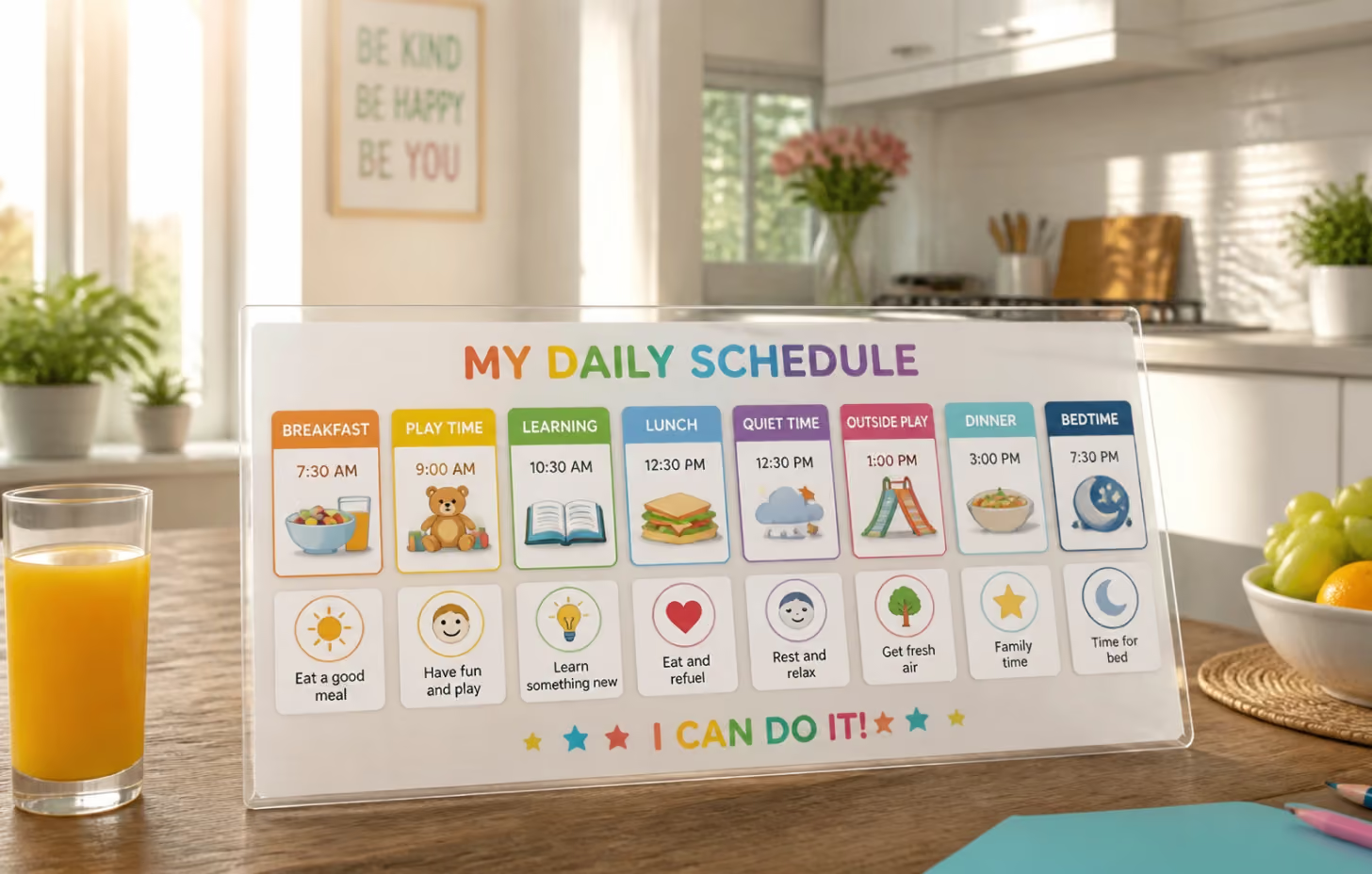
The shift from a structured school environment to the more fluid nature of summer vacation often presents significant cognitive and emotional challenges for neurodiverse children. Transitions involve a complex interplay of executive functioning skills, including cognitive flexibility, task switching, and emotional regulation. When the predictable cadence of the school day is removed, the sudden loss of external scaffolding can lead to increased anxiety and behavioral expressions. Understanding that behavior is a form of communication allows caregivers and professionals to view these challenges not as defiance, but as a response to an environment that may no longer feel safe or predictable. Establishing a baseline of routine and predictability is a fundamental strategy for supporting the nervous system during this period. Maintaining consistent daily schedules for fundamental activities such as meals, physical activity, and sleep helps to regulate the circadian rhythm and provide a sense of stability. Tools such as visual schedules, charts, or digital platforms like the Joon App can externalize the daily plan, making abstract concepts of time and sequence more concrete for children who struggle with internal organization. Visual schedule templates, such as those provided by A Day in Our Shoes, offer a tangible way for children to anticipate upcoming activities, thereby reducing the cognitive load associated with uncertainty. By providing a clear roadmap of the day, the brain can move from a state of high-alert survival to a state where engagement and learning are possible.
Effective summer management also involves a collaborative approach to setting expectations and defining boundaries. Engaging in proactive conversations about summer rules regarding screen time, household contributions, and personal independence fosters a sense of agency and reduces the likelihood of power struggles. Compromise is a key element of a neuro-affirming approach, as it respects the child's perspective and needs while maintaining necessary safety and health boundaries. Marking the end of the school year with specific transition rituals provides the psychological closure needed to move forward. These rituals do not need to be centered on food or material rewards; instead, non-food-based activities like an "exit interview" reflection allow the child to process their experiences, celebrate growth, and articulate feelings about the change. Other options, such as a dedicated movie night or the act of writing appreciation letters to teachers, serve as symbolic milestones that help the brain register the conclusion of one chapter and the beginning of another. This transition period is also an ideal time to consider a neuropsychological evaluation to better understand the underlying mechanisms of a child's learning and behavioral profile, ensuring that the strategies implemented over the summer are tailored to their specific needs.
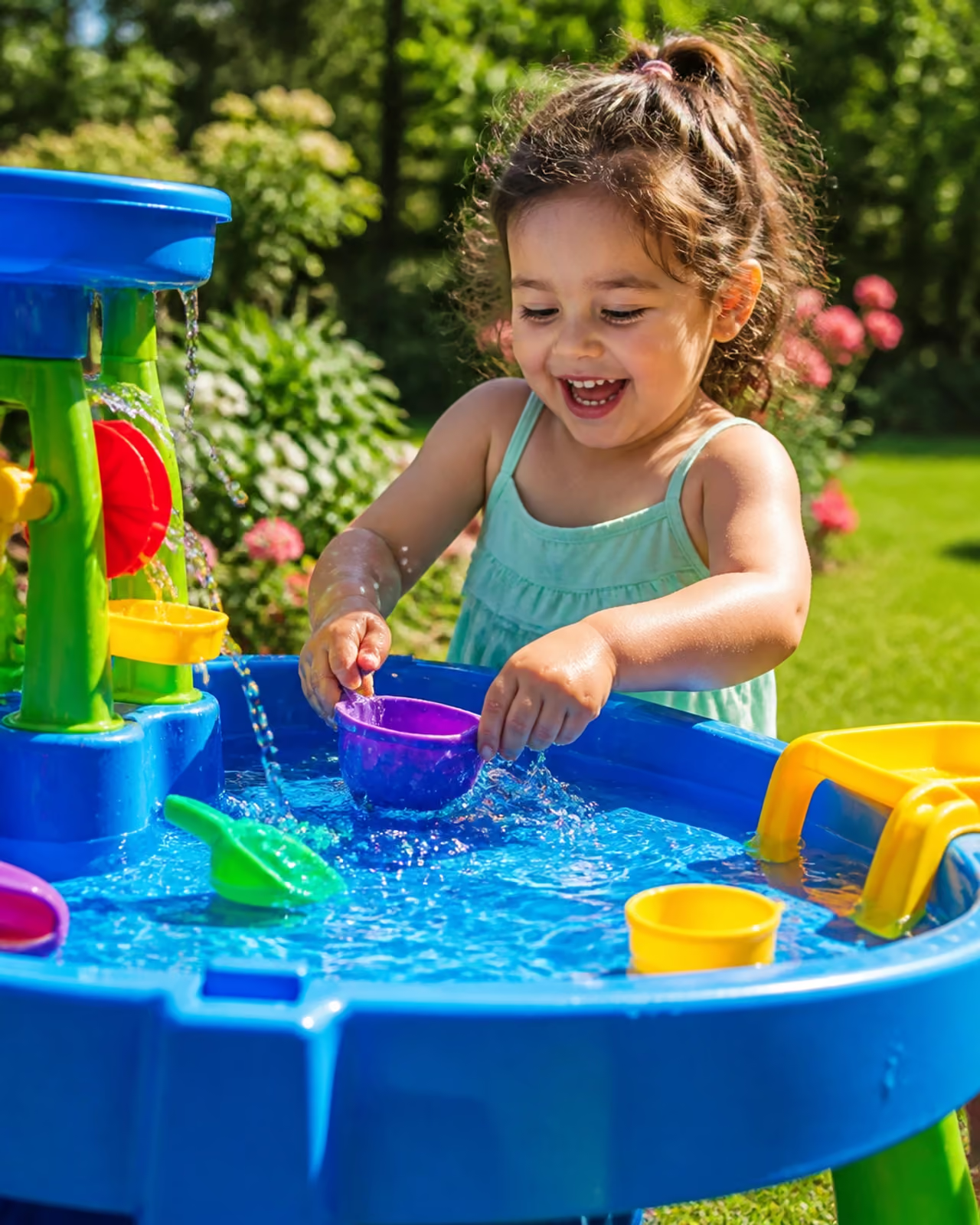
Sensory support remains a critical priority during the summer months when environmental factors like heat, bright light, and changes in clothing textures can overwhelm the sensory processing system. Prioritizing sensory-friendly activities, such as water play, sandboxes, or quiet nature walks, allows children to engage in regulating activities that meet their unique sensory seeking or avoiding needs. Resources from PBS Parents offer guidance on navigating these summer challenges for children with sensory processing differences, highlighting the importance of access to regulation tools. Maintaining an available "sensory toolkit" containing items like noise-canceling headphones, weighted blankets, or fidget tools ensures that regulation is always within reach. Preparing for the unexpected is another essential layer of support, as summer plans are often subject to spontaneous changes. Developing a robust "Back-up Plan" includes identifying co-regulation strategies that can be used when a child becomes overwhelmed and establishing private signals between the child and caregiver to indicate a need for a break. These contingency plans reduce the intensity of the stress response when disruptions occur, as the path to regulation has already been mapped out. For families seeking more formal documentation or support for school-related transitions, an independent educational evaluation can provide a comprehensive roadmap for the upcoming academic year.
Social connections and the development of independence are equally important aspects of a successful summer transition. Maintaining social skills through the break can be achieved by arranging consistent playdates, identifying special interest groups, or participating in local clubs that align with the child’s specific passions. These environments provide a lower-pressure setting for practicing social navigation compared to the formal school day. Simultaneously, summer offers a unique window to promote independence through the teaching of life skills. Activities such as basic budgeting, laundry, or meal preparation build self-efficacy and prepare older children for future transitions. For students nearing the end of high school, resources from Elizabeth Hamblet at LD Advisory provide specialized guidance on the transition to college for students with disabilities. Setting personal goals, whether academic or interest-based, encourages a growth mindset and gives children a sense of purpose during the long break. These goals should be self-directed whenever possible, as intrinsic motivation is a powerful driver for neurodiverse individuals.

The demands of supporting a neurodiverse child through these transitions can be significant, making caregiver self-care an integral component of the family's success. Recognizing that caregiver regulation is the foundation of co-regulation is vital. Utilizing support systems, whether through family, friends, or community organizations, can provide the necessary respite to prevent burnout. Scheduling dedicated personal time to recharge and exploring professional respite care options are not signs of failure but essential maintenance of the caregiving environment. Platforms like TiLT Parenting offer strategies for self-care and perspective shifts that prioritize the well-being of the entire family unit. The Davidson Institute also provides valuable frameworks, such as the PERMA-V model (Positive Emotions, Engagement, Relationships, Meaning, Accomplishment, and Vitality), to help caregivers monitor and improve their own well-being. For those struggling with the overwhelming nature of managing a household alongside these complex caregiving needs, resources like "How to Keep House While Drowning" by KC Davis offer a compassionate, functional approach to home management that rejects shame. Ultimately, the goal of a neuro-affirming summer transition is to create an environment where the child feels understood and supported, and where the caregiver has the resources to sustain that support over the long term.