
Smart but Struggling: Why Your Child's IQ Doesn't Always Match Their Daily Life (And What to Do About It)


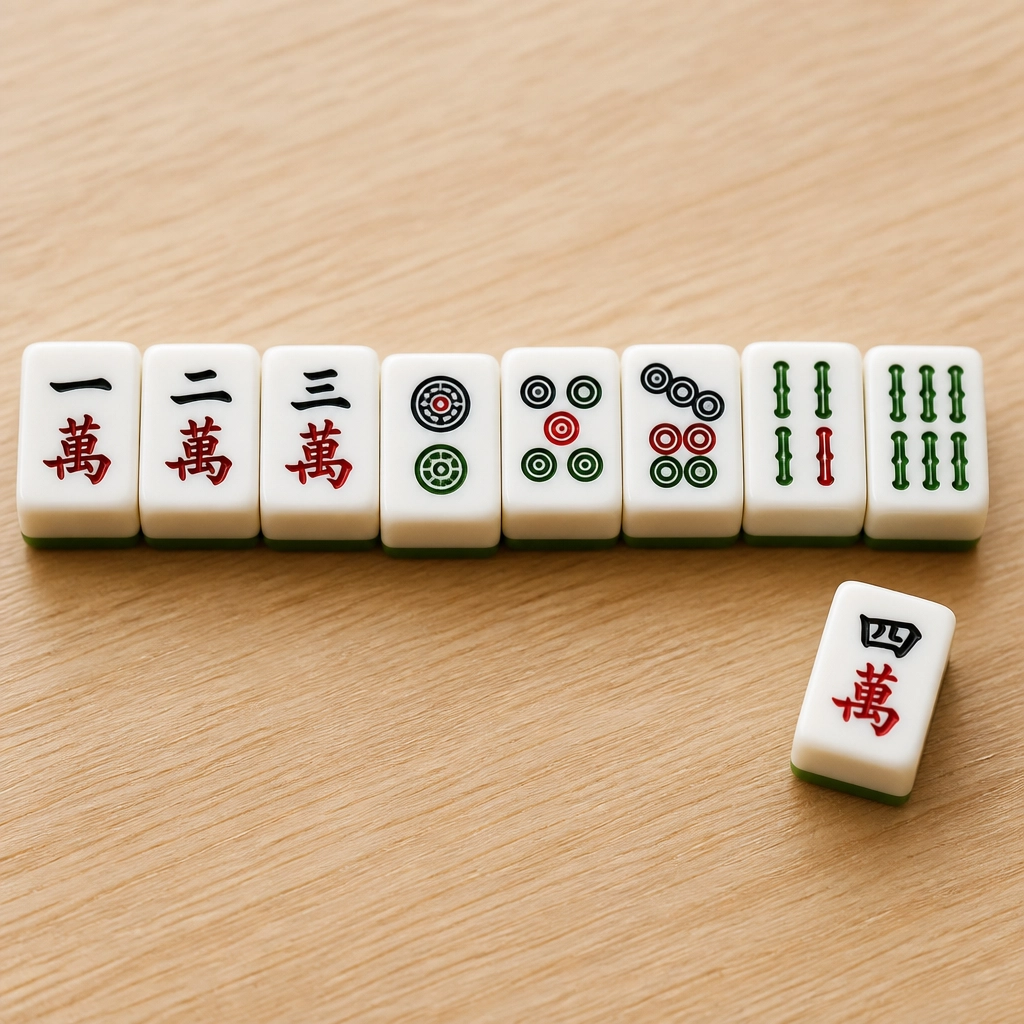
There is a specific sound that fills my living room on Friday nights: the rhythmic, melodic clack-clack-clack of Mahjong tiles being shuffled. If you’ve ever played, you know that sound. It’s the sound of potential. Each tile represents a possibility, a piece of a larger strategy. You look down at your hand and see beautiful tiles: the Three of Bamboos, a gleaming White Dragon, maybe a couple of Winds. On paper, or rather on the table, you have all the high-value pieces. You should be winning. But as the game progresses, you realize that despite having the "best" tiles, you can’t seem to form a sequence. You can’t make the hand work in the flow of the game.
I see this same phenomenon every day in my practice at PEC Group. Parents come to me with a look of profound exhaustion and confusion. They tell me, "Karen, his teachers say he’s the smartest kid in the class. He can explain the intricacies of black holes or the history of the Roman Empire for hours. But he can’t remember to put his shoes on in the morning. He can’t navigate a simple conversation at recess without it ending in tears. Why is he so smart but struggling so much with just... life?"
This is the "Cognitive-Adaptive Gap," and it’s one of the most misunderstood aspects of neurodiversity. It’s the gap between what a child can do (their potential, or IQ) and what they actually do (their adaptive functioning).
The Missing Tiles in the Winning Hand
In the world of Mahjong, having high-value tiles doesn't matter if you can't connect them into a winning hand. In life, a high IQ is like having those high-value tiles. It’s a measure of cognitive potential: problem-solving, verbal reasoning, and visual-spatial skills. But "adaptive functioning" is the actual gameplay. It’s the ability to apply those skills to daily life: getting dressed, managing time, understanding social cues, and regulating emotions.
For a long time, the prevailing wisdom was that if a child’s IQ was high, their daily life skills would naturally follow. We assumed the "smart" would just trickle down into "capable." But we now know: and a groundbreaking 2026 study in Scientific Reports has confirmed: that for neurodivergent children, this simply isn't the case.
The study, which looked at a large group of children with autism, ADHD, and OCD through the Ontario Neurodevelopmental Disorders Network, found that cognitive ability (measured by IQ) is a surprisingly poor predictor of daily functioning. In fact, the researchers found that as IQ goes up, the gap between potential and performance often gets wider.
The study revealed that the real culprits behind this gap aren't a lack of intelligence. Instead, the gap is predicted by "internalizing symptoms": things like anxiety and depression: as well as social-communication challenges and inattentive traits. Essentially, a child might have the "high-value tiles" of a 130 IQ, but if they are missing the "connection tiles" of emotional regulation or executive function, they can’t complete the hand.
When "Bright" Becomes a Barrier
One of the hardest things for parents to hear is, "But they're so bright!" It sounds like a compliment, but to a parent who is watching their child melt down over a change in schedule or fail to turn in homework they spent hours completing, it feels like a dismissal. It implies that the struggle is a choice: that if the child just "tried harder," their intelligence would save them.
I remember a family I worked with recently here in San Diego. Their daughter, Maya, was a gifted artist and a voracious reader. Her pediatric neuropsychological evaluation showed an IQ in the superior range. Yet, Maya was failing middle school. She couldn't keep track of her locker combination, she had no friends to sit with at lunch, and she spent every evening in a state of "shut down" because the sensory overload of the school day was too much.
The school saw her IQ and thought she was "unmotivated." But when we looked deeper through a child neuropsychological assessment, we found the "missing tiles." Maya had significant challenges with executive functioning and social-emotional reciprocity. Her brain was like a Ferrari engine with a bicycle's braking system. She had all the power, but no way to steer or stop.
Identifying the "Why" with a Neuropsychological Assessment
So, what do we do when the tiles don't match the game? The first step is to stop looking at the IQ score in isolation. We need to look at the whole table.
This is why a comprehensive neuropsychological assessment in San Diego is so critical. Unlike a standard school testing battery, which often just looks at whether a child qualifies for services, our assessments at PEC Group are designed to understand the "why" behind the disconnect.

When we conduct an ADHD assessment for children in San Diego or an autism assessment in San Diego, we aren't just looking for a label. we are looking for the specific factors that the Scientific Reports study highlighted:
- Executive Functioning: Can the child plan, organize, and execute tasks?
- Social-Communication: Does the child understand the "unwritten rules" of social interaction?
- Internalizing Symptoms: Is anxiety or sensory overwhelm acting as a "block" to their cognitive skills?
- Adaptive Skills: How does the child perform in the "real world" versus a quiet testing room?
By finding the why behind the struggle, we can move away from the frustration of "smart but struggling" and toward a unified plan that everyone: parents, teachers, and therapists: can follow.
Building a Unified Roadmap
In Mahjong, if you realize you can't win with the hand you were dealt, you change your strategy. You stop trying to force a sequence that isn't there and you look for a different way to play.
The same is true for our children. Once we understand that the gap is a result of brain wiring and clinical features: not a lack of effort: we can stop "pushing" and start "scaffolding."
A unified roadmap might include:
- Environmental Modifications: Reducing sensory triggers that lead to internalizing symptoms.
- Executive Function Support: Using visual schedules and checklists to bridge the gap between "knowing" and "doing."
- Social-Emotional Learning: Explicitly teaching the social-communication skills that neurotypical children often pick up by osmosis.
- Strength-Based Strategies: Using the child's high IQ to help them logically understand and bypass their areas of challenge.
Moving Toward Clarity
I often tell parents that a neuropsychological evaluation is like turning on the lights in a room where you’ve been stumbling around in the dark. You knew the furniture was there because you kept bumping into it, but you couldn't see the path through.
When we bridge the gap between IQ and daily life, the results are transformative. I think of Maya, who, after her assessment, received the right support for her executive functioning and sensory needs. She didn't become "smarter": she was already brilliant: but she finally had the tools to show that brilliance to the world. She moved from a state of constant frustration to one of confidence.
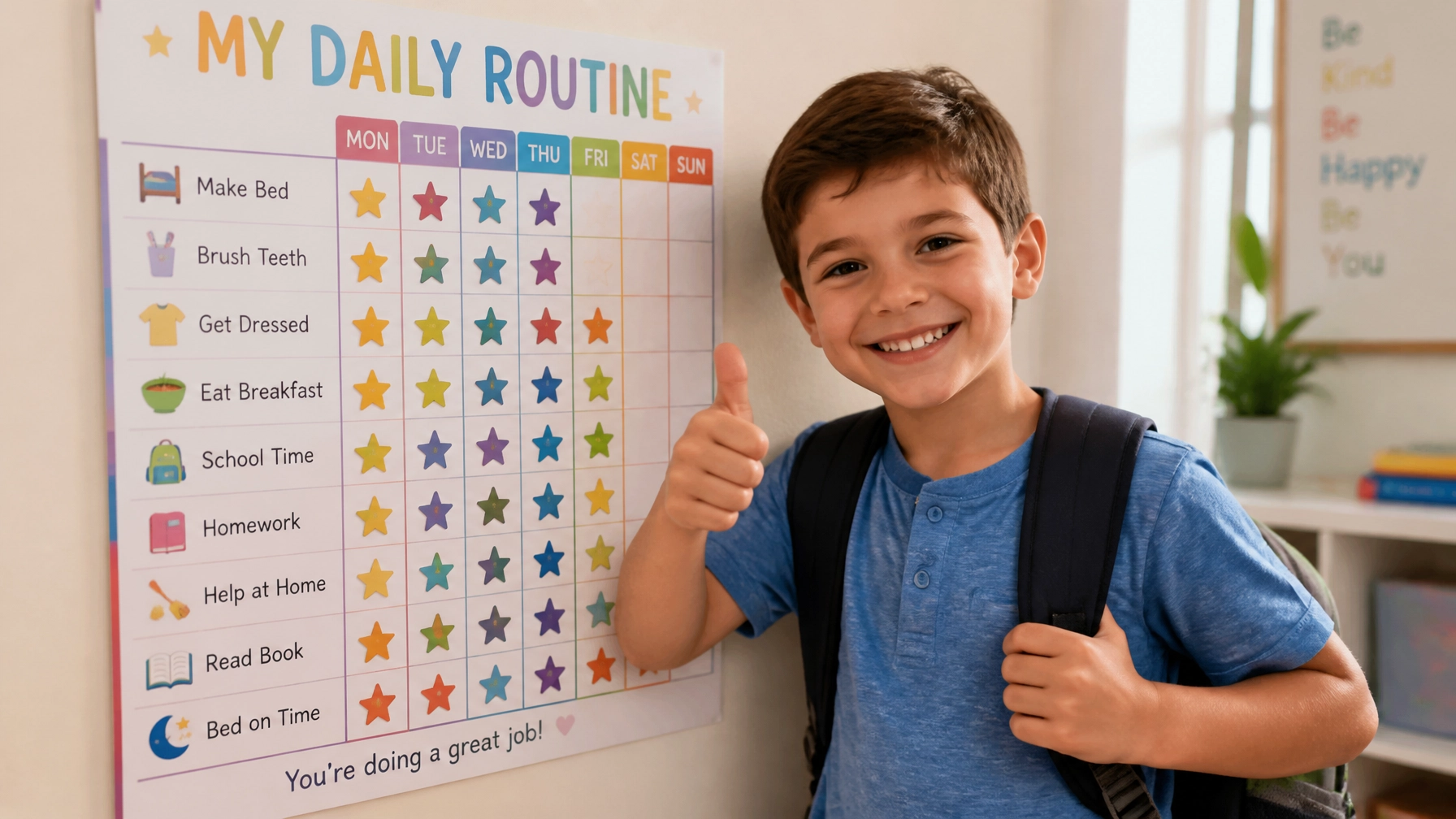
If you find yourself hearing "but they're so bright" while your heart breaks watching your child struggle with the basics, know that you aren't alone. The disconnect is real, it’s scientific, and most importantly, it’s understandable.
At PEC Group, we are here to help you collect all the tiles and understand the unique game your child is playing. We provide personalized neuro-psychological assessments that look beyond the scores to the heart of the child. Let’s stop wondering why the potential isn’t matching the performance and start building the roadmap to their success.
If you’re ready to uncover the "why" and create a clear path forward, I invite you to contact us today. Let's work together to make sure your child’s winning hand is finally ready to play.