
Mahjong and learning
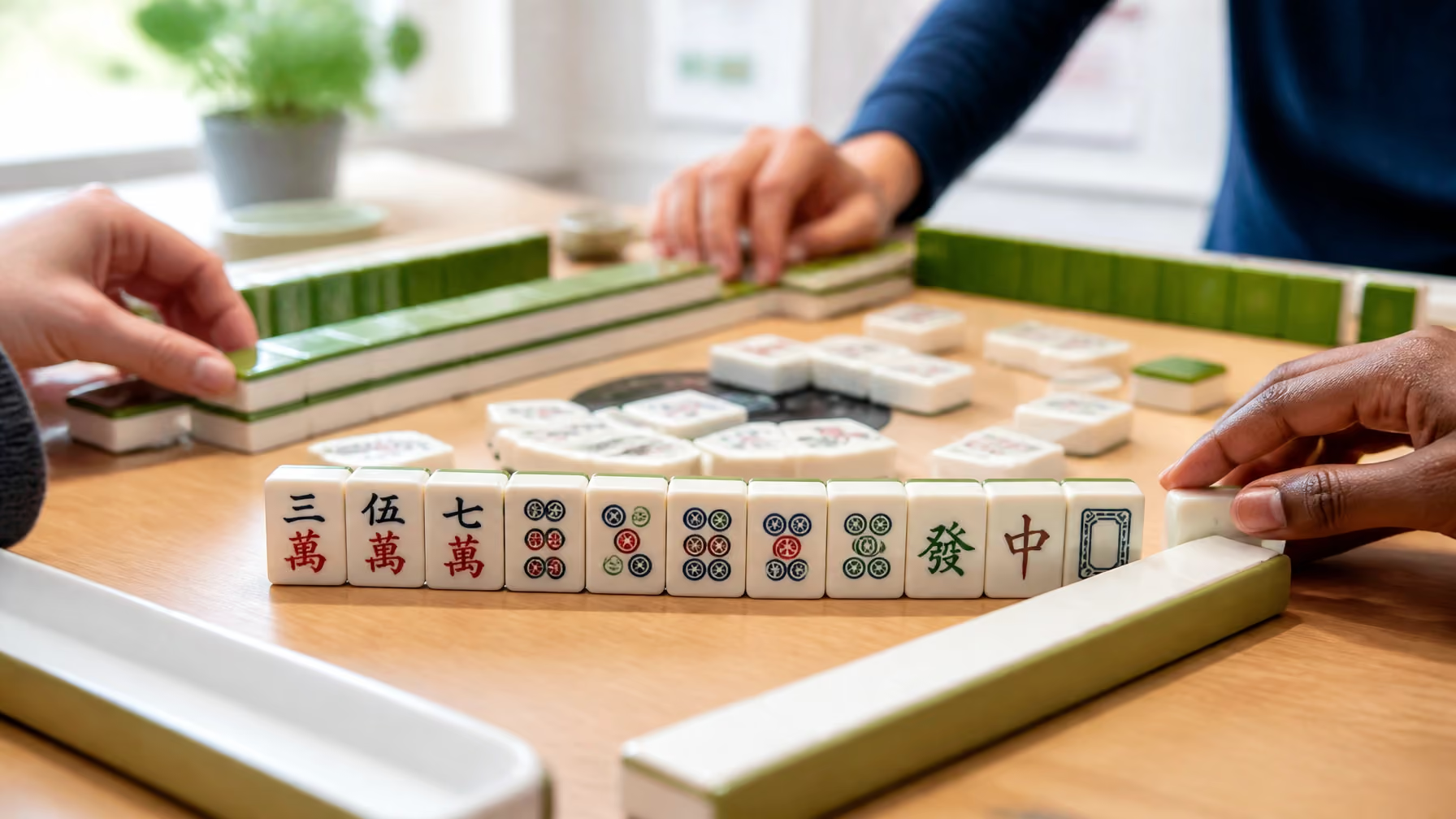

Over the past year, I have been learning how to play Mahjong, and it has been humbling in the best possible way. At first, the learning curve felt steep. There were so many tiles, patterns, rules, and unspoken rhythms to keep track of all at once. I remember the feeling of sitting at the table and wanting to enjoy myself while also quietly worrying that I was taking too long, missing something obvious, or making a mistake everyone else could see. That fear of being judged is such a human feeling. It can show up even in something playful. But so can joy. The more time I spent learning the game, the more I began to love it. I loved the challenge, the strategy, the focus it requires, and the simple pleasure of being with other people in a shared experience where everyone is thinking, noticing, adjusting, and learning.
One of the things I have noticed most while playing is how clearly different personalities and learning styles emerge at the table. Some people are deep analyzers. They study every tile, think through every possibility, and want to make the most thoughtful move they can. Others are quick responders. They trust their instincts, move fast, and stay in motion. Neither style is wrong. They are simply different ways of processing. I have also noticed how quickly insecurities can flare up. A small mistake, a missed opportunity, or even taking extra time to decide can bring up embarrassment or self-consciousness. It is amazing how fast the inner voice can shift from curiosity to criticism. And yet, when the space feels kind and neutral, those moments become easier to tolerate. People relax. They laugh. They recover. They keep going.
As a licensed educational psychologist, I cannot help but watch these dynamics and think about students. I see so many of the same patterns in children and teens. Some students are cautious and deliberate. They want time to think, time to organize, time to make sense of what is being asked of them before they respond. Other students are fast-moving and intuitive. They jump in quickly, often with good instincts, but they may overlook details or move past instructions too fast. I do not see either pattern as a problem in itself. I see information. I see a window into how a child’s mind works. That is part of what thoughtful Personalized Neuro-Psychological Assessments can help uncover. When I understand how a student learns, I am in a much better position to help families and schools respond in ways that actually fit that child.
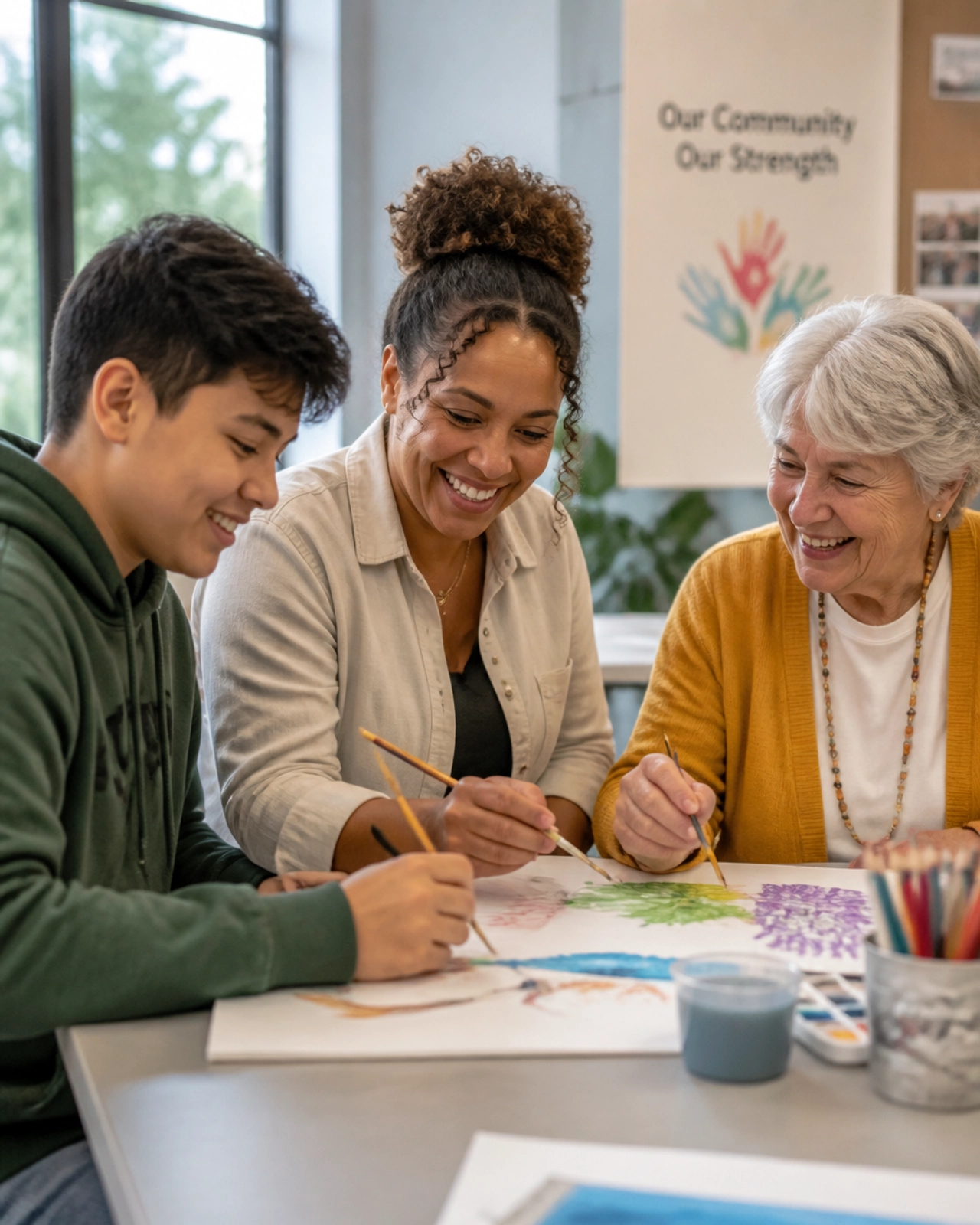
What stays with me most is how powerful a judgment-free space can be. At a Mahjong table, people of different ages, backgrounds, and experience levels come together in this surprisingly safe and neutral space. There is something beautiful about that. No one arrives knowing everything. Everyone has moments of uncertainty. Everyone has to learn how to tolerate mistakes, how to ask questions, how to keep going after getting something wrong. That is exactly what students need too. So many children shut down not because they are incapable, but because they feel exposed. They worry they are too slow, too different, too disorganized, too emotional, too much. When a mistake feels like proof that something is wrong with them, learning becomes threatening instead of growth-producing.
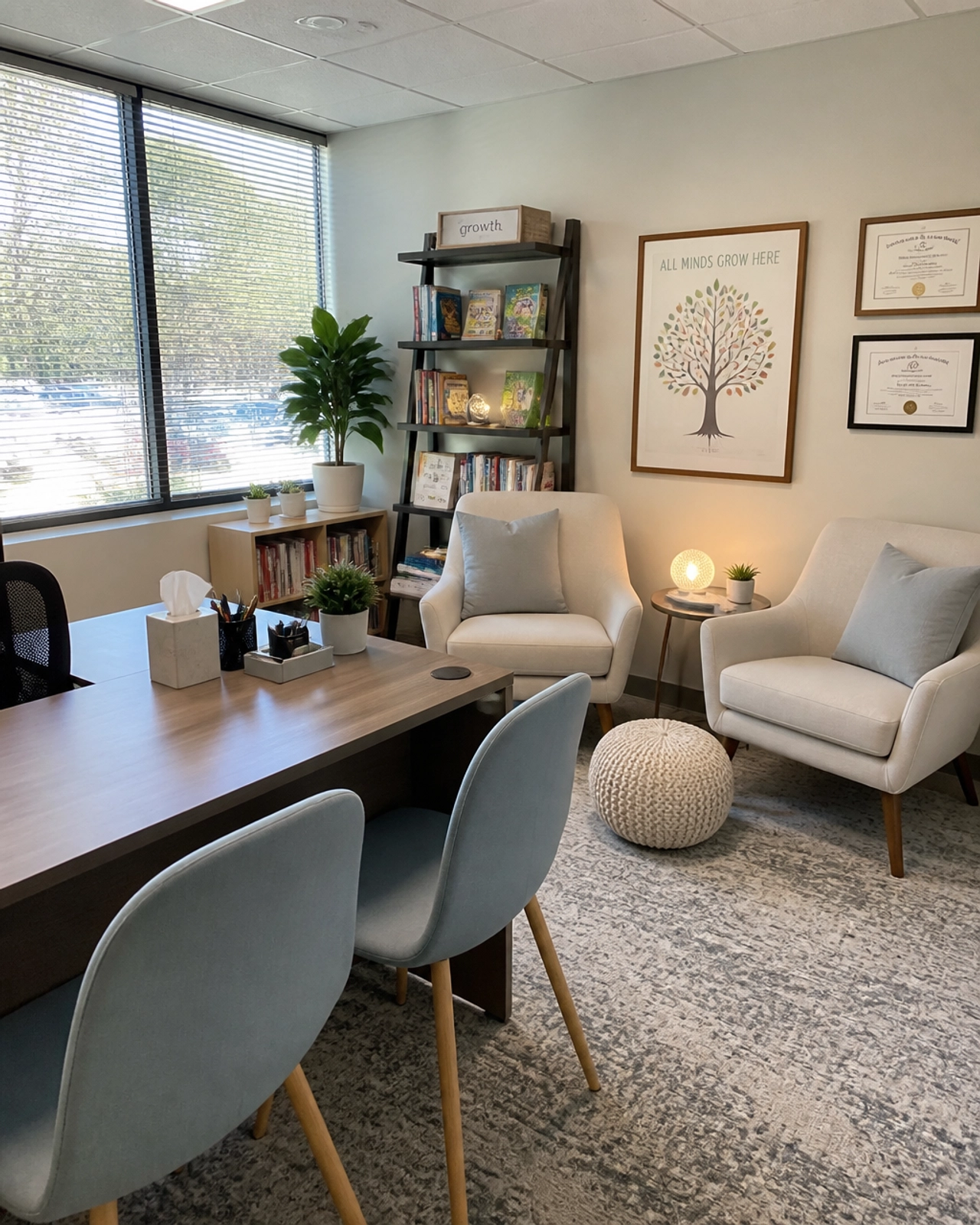
That is why I care so deeply about creating safety in the evaluation process. When children feel comfortable enough to show me how they truly think, solve problems, and recover from frustration, I get a much more accurate picture of who they are. I am not just looking at whether they got something right or wrong. I am looking at the "why" underneath the struggle, the pattern beneath the surface, the context that helps everything make more sense. That is the heart of the work, and it is also why resources like Finding the Why Behind the Struggle matter so much. A child’s hesitation, impulsivity, shutdown, or inconsistency is rarely random. It usually tells a story.
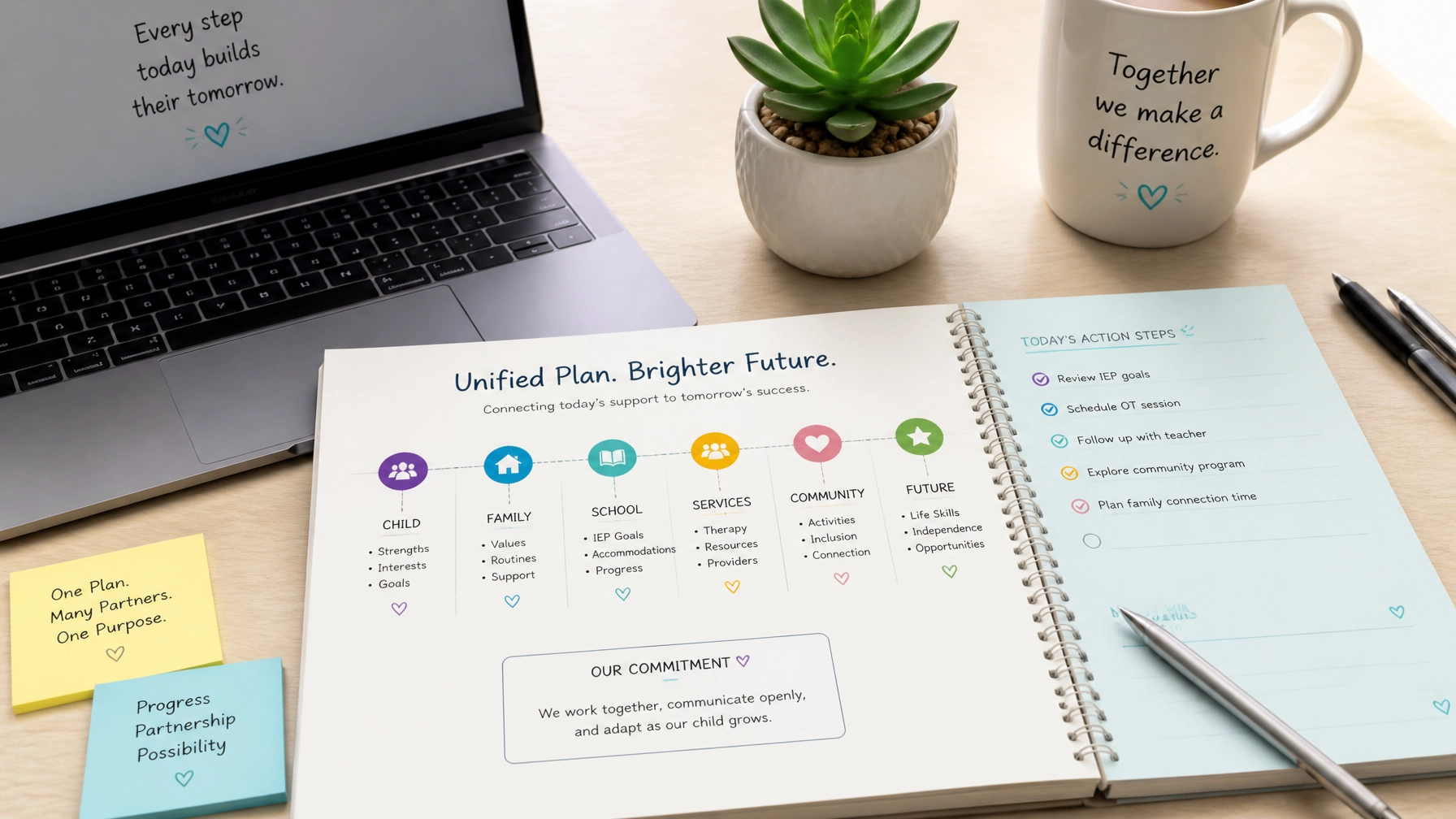
The same is true when families begin to make sense of what support a child needs. Insight is important, but insight alone is not enough. I always want an assessment to lead to a clear and shared plan. In the same way that Mahjong eventually teaches a player to organize what first looked confusing, a good evaluation helps connect the dots and turn scattered concerns into something more coherent. The goal is not to hand a family a list of labels and leave them there. The goal is to build a bridge between understanding and action. That is where a Unified Plan becomes so valuable, because it gives parents, teachers, and therapists a way to move in the same direction with the child at the center.
Learning Mahjong has reminded me, in a very personal way, of something I have believed for years in my professional life: people do better when they feel safe enough to be beginners. They do better when they are allowed to think differently, move at a different pace, make mistakes, and still feel respected. I see this at the game table, and I see it in the children and families I work with every day. When the pressure of judgment softens, growth has room to happen. Confidence grows slowly, competence follows, and the whole process becomes more humane. That is the kind of space I want to create for every child and every family I meet, one where understanding replaces shame and where support is shaped around who that child really is.